
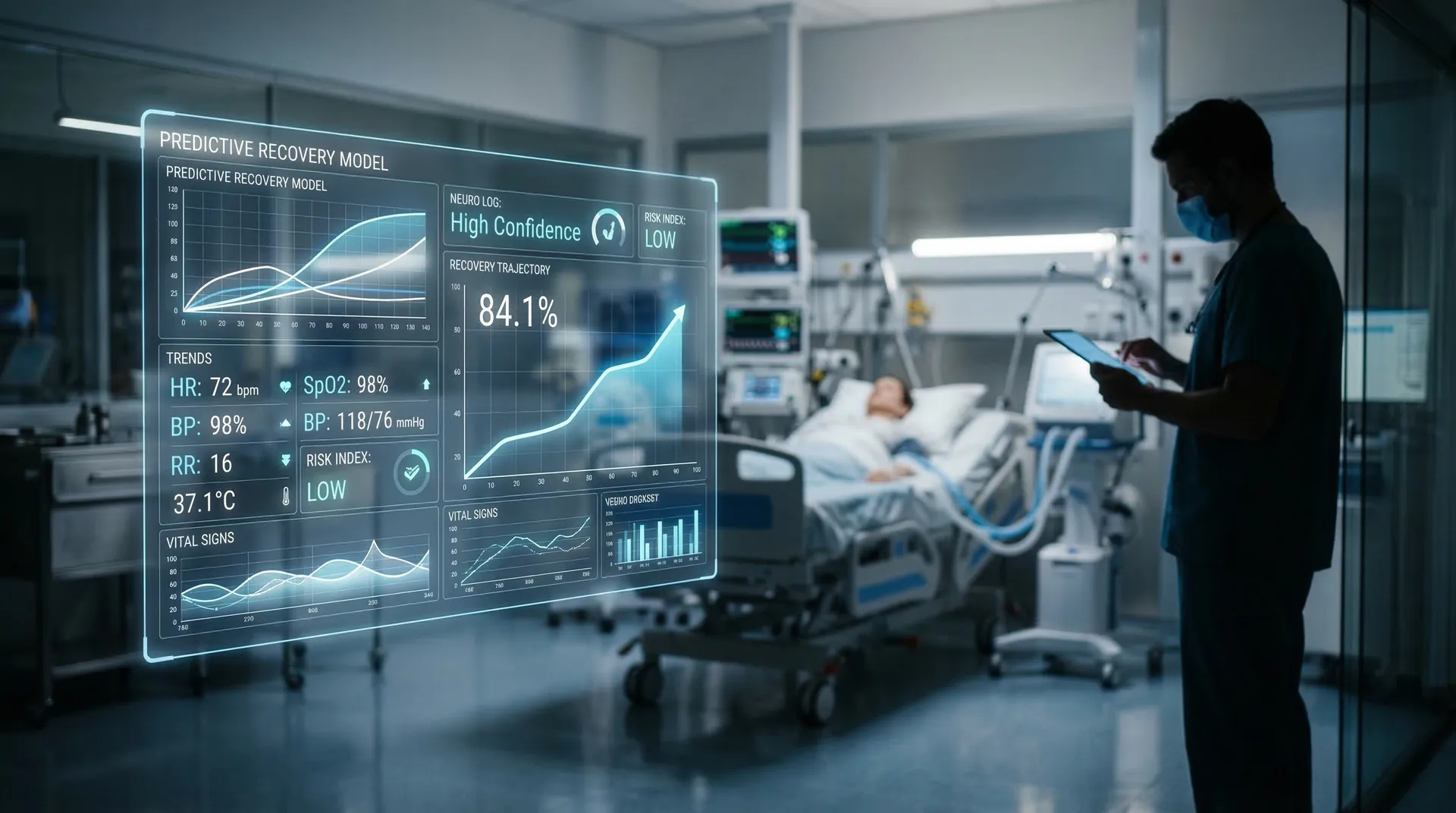
The "Silent Killer" and Data Overload
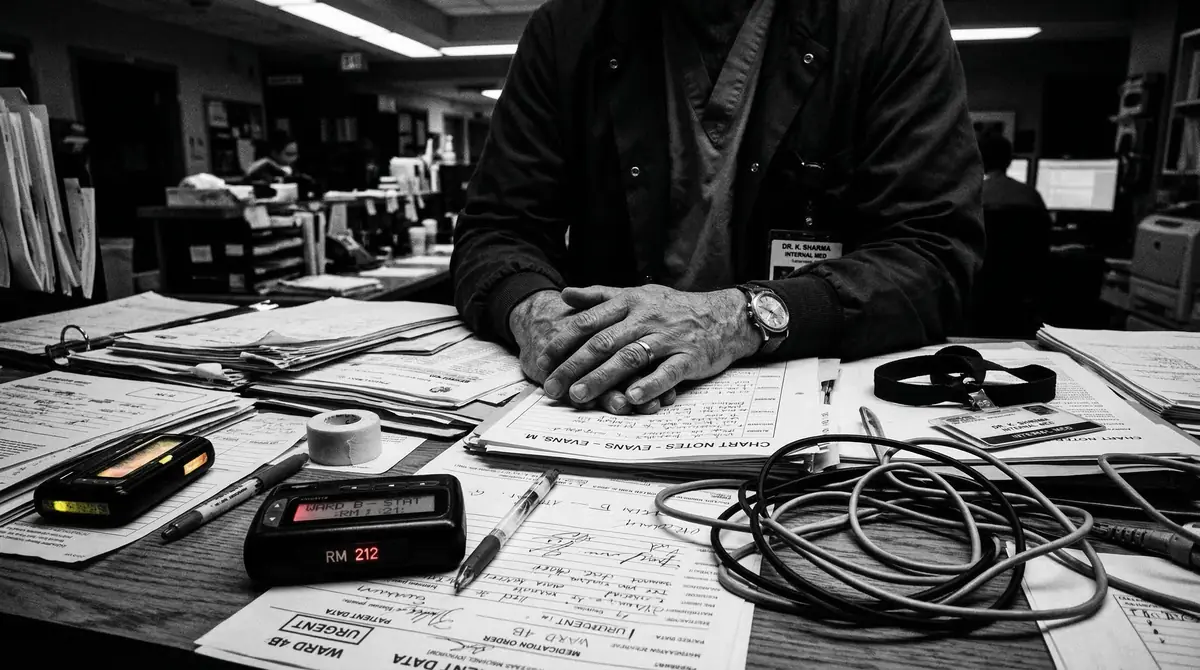
A leading metropolitan health system with heavily trafficked intensive care units (ICUs) was battling the devastating impacts of hospital-acquired complications. Their most critical challenge was Sepsis—often termed the "silent killer."
Sepsis progresses rapidly, and a patient's physiological degradation can be incredibly subtle until multi-organ failure begins. ICU nurses and physicians were fighting an overwhelming battle against data fragmentation. The Electronic Health Record (EHR) systems required massive amounts of manual data entry, pulling nurses away from the bedside. More critically, vital signs monitors, lab results, and historical patient data were siloed. By the time a human clinician could manually correlate a slight drop in blood pressure with an elevated white blood cell count, the patient was often already in shock. The hospital needed an intelligent system capable of continuous, hyper-vigilant synthesis of all patient data streams in real-time.
Core Roadblocks:
- Reactive Diagnostics: Critical conditions like sepsis were often diagnosed after severe physiological deterioration had already occurred, severely limiting treatment windows.
- Clinician Burnout via Charting: Doctors and nurses spent an average of 3 to 4 hours per shift manually charting and attempting to synthesize patient data from disparate software systems.
- Fragmented Warning Signs: A slight heart rate elevation recorded on a bedside monitor was rarely contextualized instantly with a blood lab result that arrived two hours later.
The myAiLabs Ecosystem
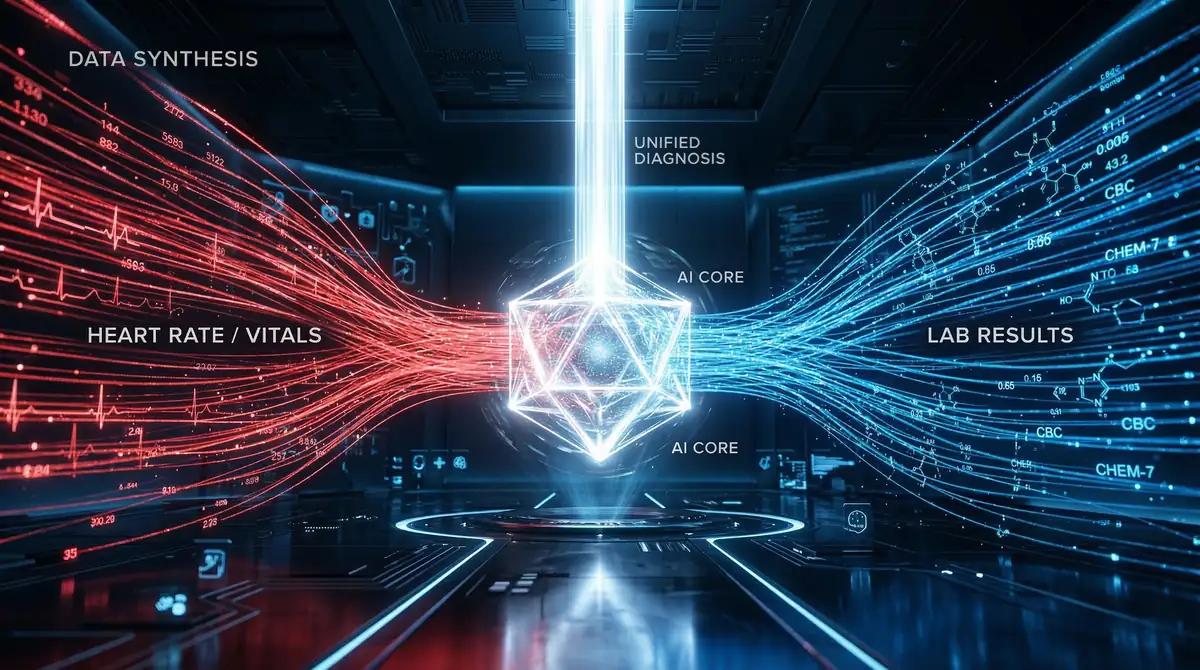
The health system deployed the myAiLabs Agentic AI ecosystem to act as a hyper-vigilant, autonomous diagnostic assistant. Unlike rigid scoring systems, the agentic ecosystem continuously learned from the hospital’s specific patient populations, dynamically adjusting risk thresholds and synthesizing thousands of data points per patient per minute.
Empowering Clinicians, Protecting Privacy
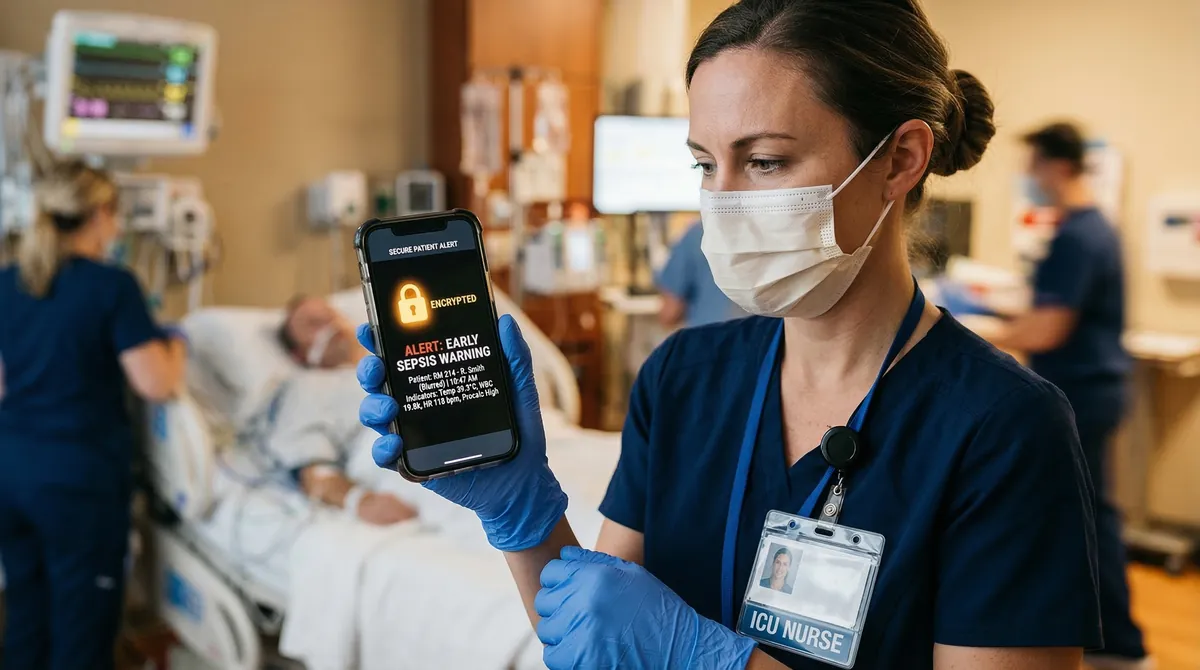
Integrating the myAiLabs ecosystem fundamentally shifted the ICU from a reactive trauma center into a proactive healing environment. By autonomously handling the heavy lifting of data synthesis and routine charting, clinicians were returned to the bedside. Crucially, the PR Agent's absolute enforcement of HIPAA guidelines ensured that this massive influx of predictive data processing occurred securely within the hospital's private internal network, never exposing sensitive Protected Health Information (PHI) to external vulnerabilities.
Metrics That Matter

The integration of predictive diagnostic AI transformed both patient survivability and the daily lives of the clinical staff.
Hours Advance Warning
The ecosystem accurately predicted the onset of septic shock over 3 hours earlier than traditional human medical intervention.
Charting Time Saved
Autonomous data synthesis and note-generation gave clinicians back over two and a half hours previously lost to administration daily.
Triage Accuracy
Real-time intelligent triage correlated symptoms and EHR data with immense precision, virtually eliminating alert fatigue.
Ready to proactively save lives?
Discover how myAiLabs can protect your most vulnerable patients by predicting risk before it ever happens.